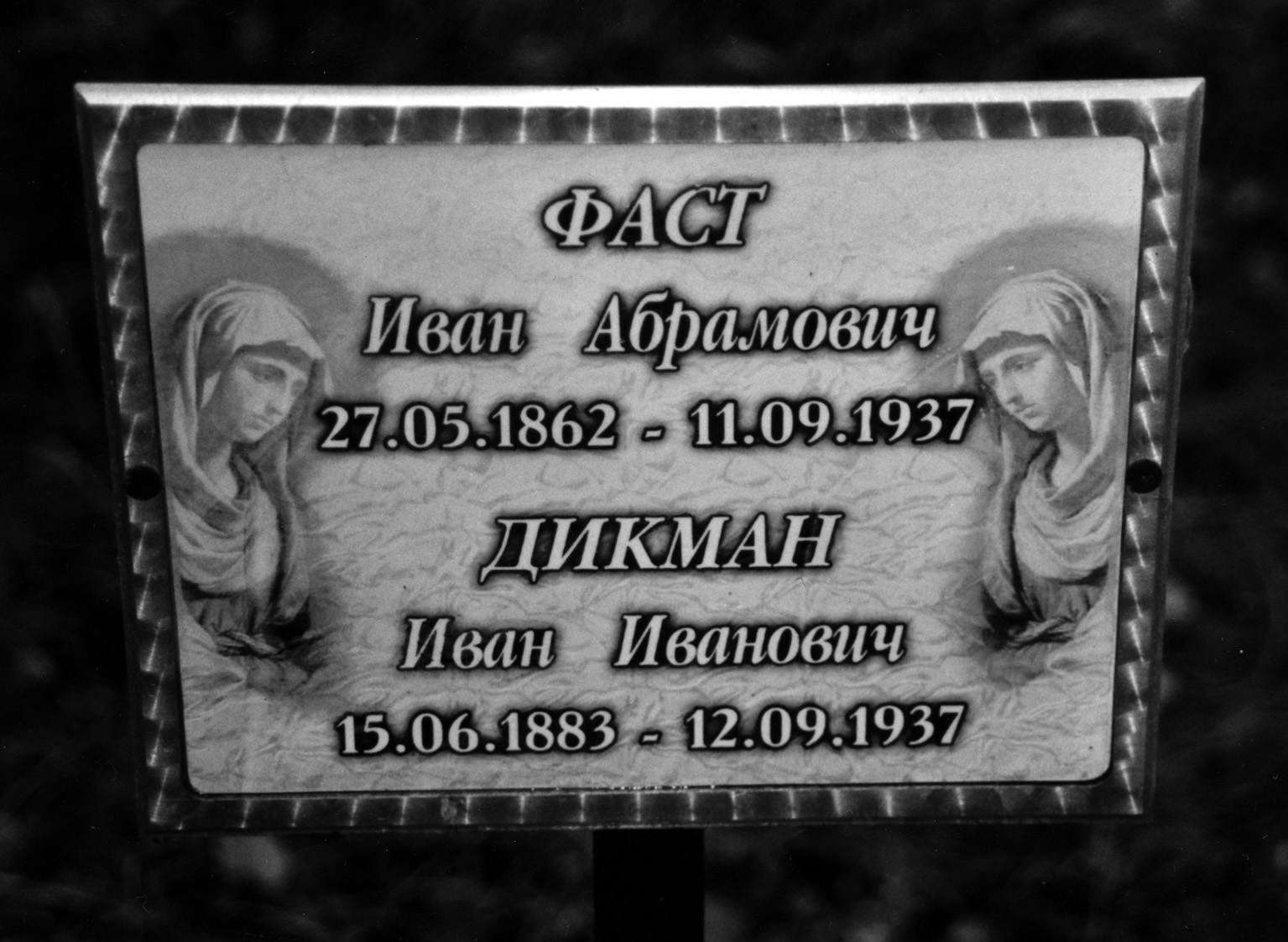
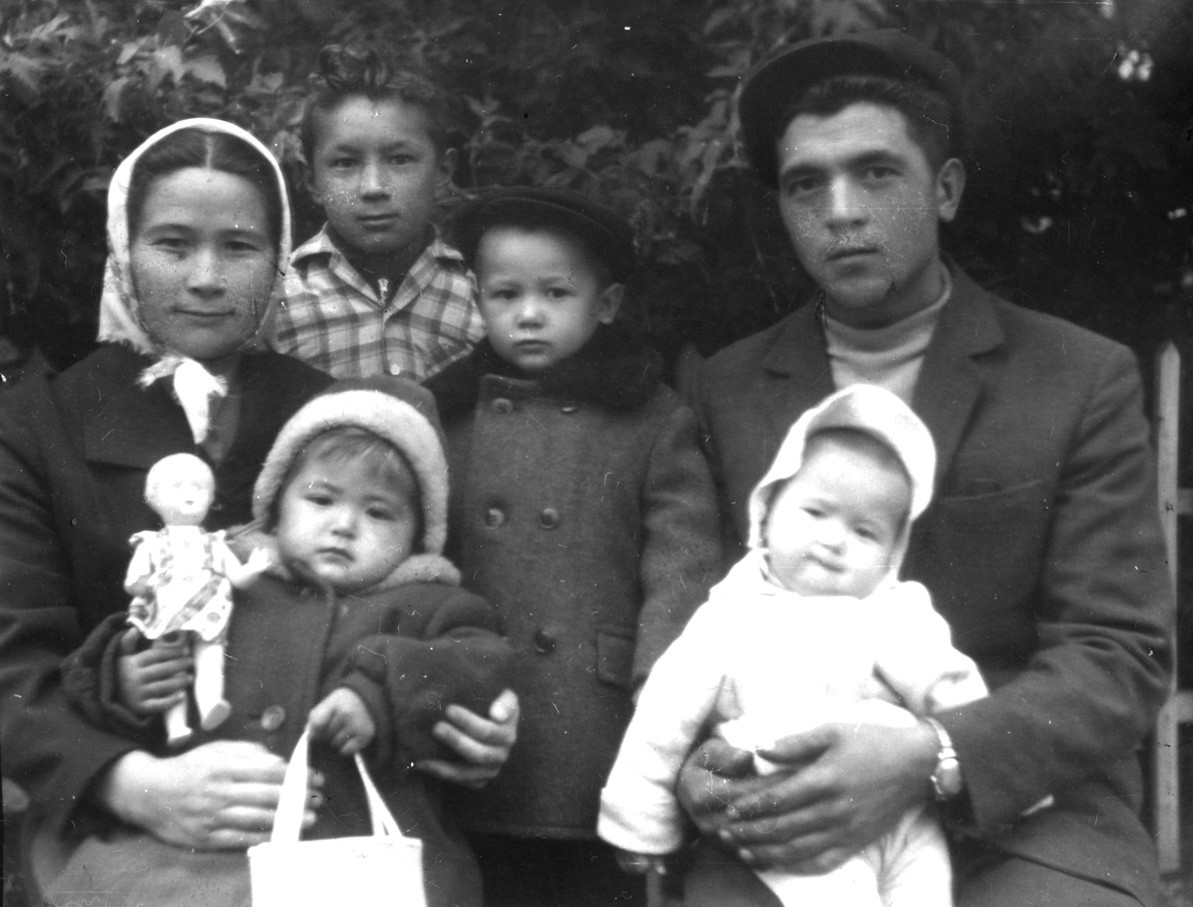
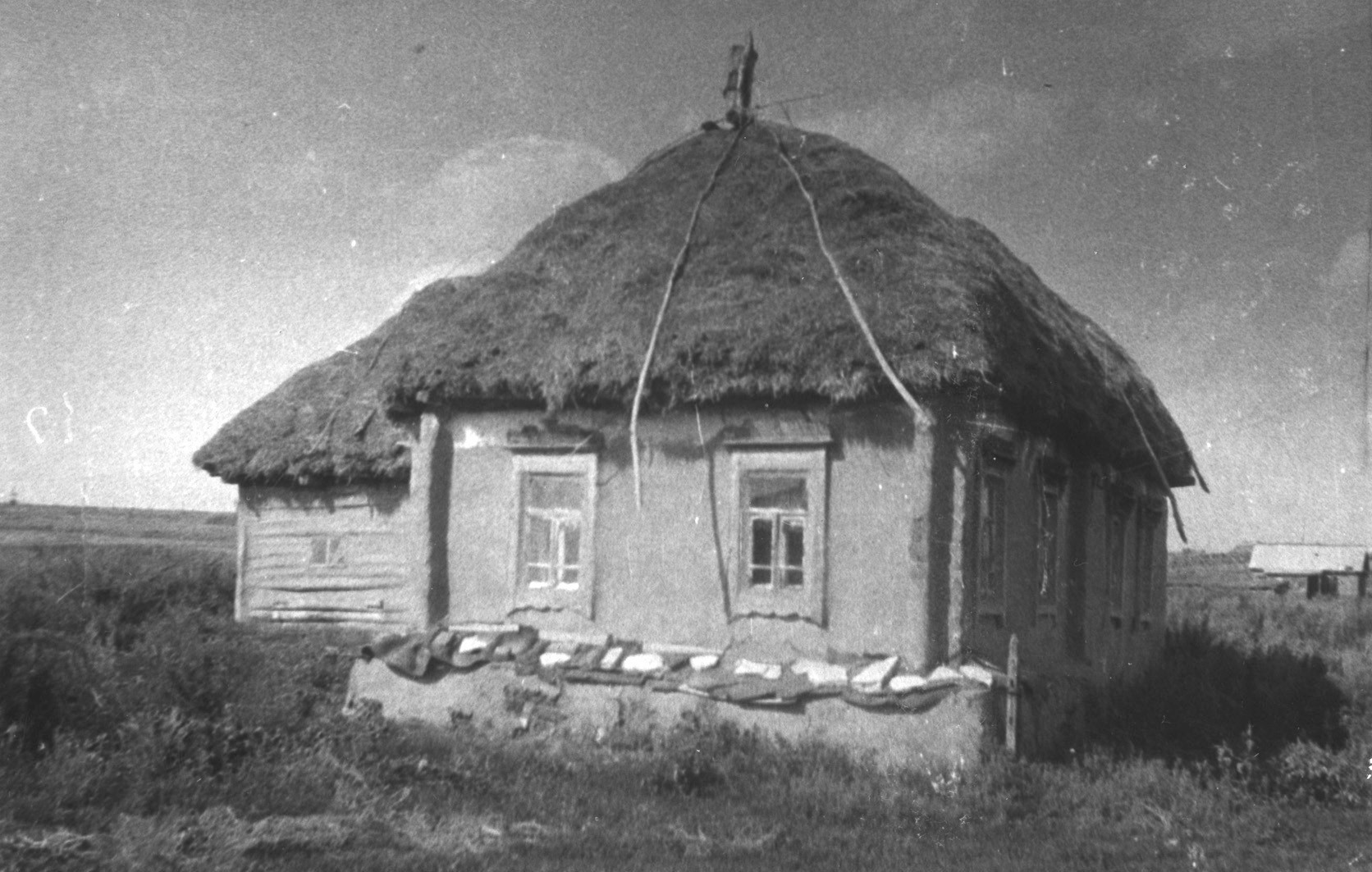
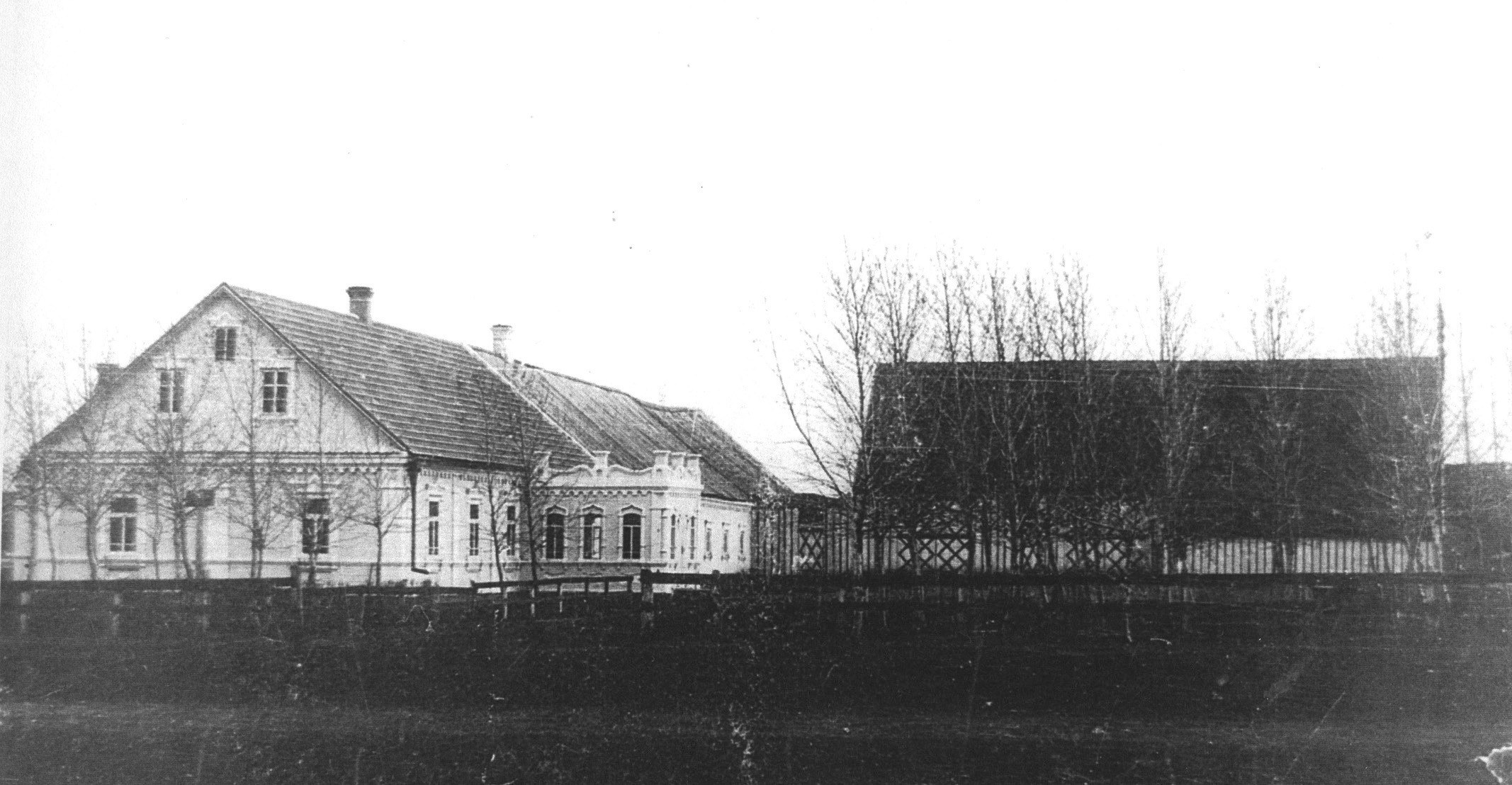
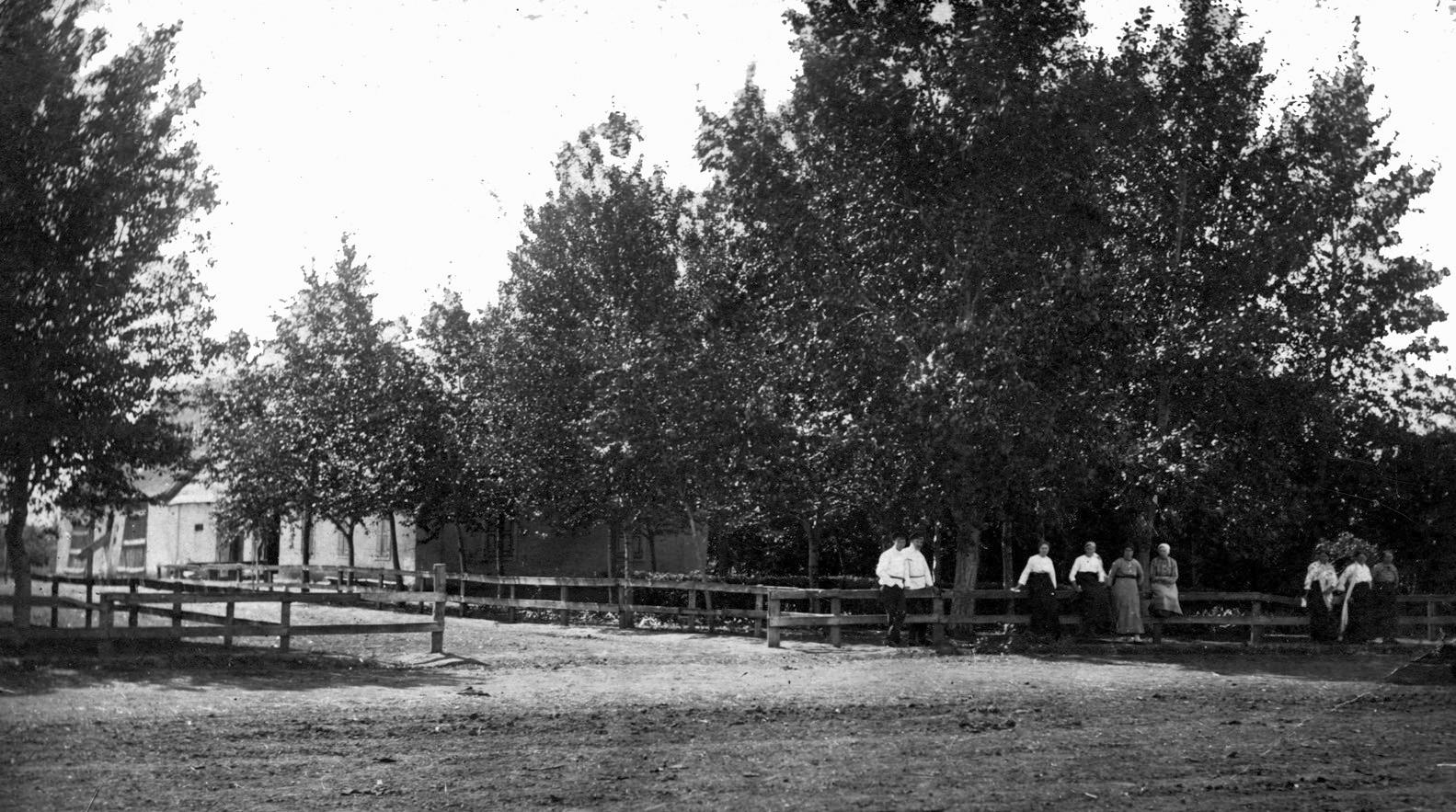
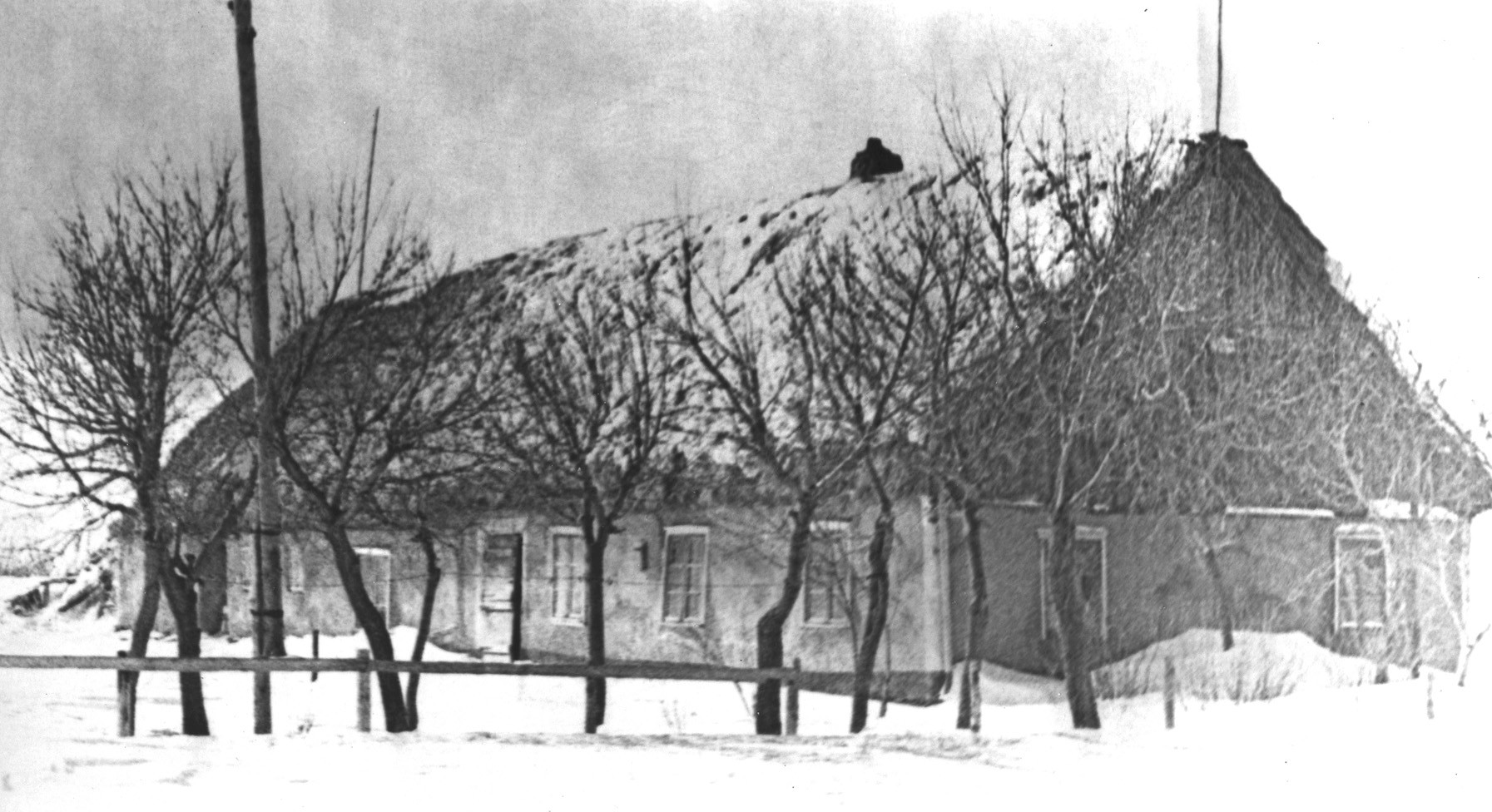
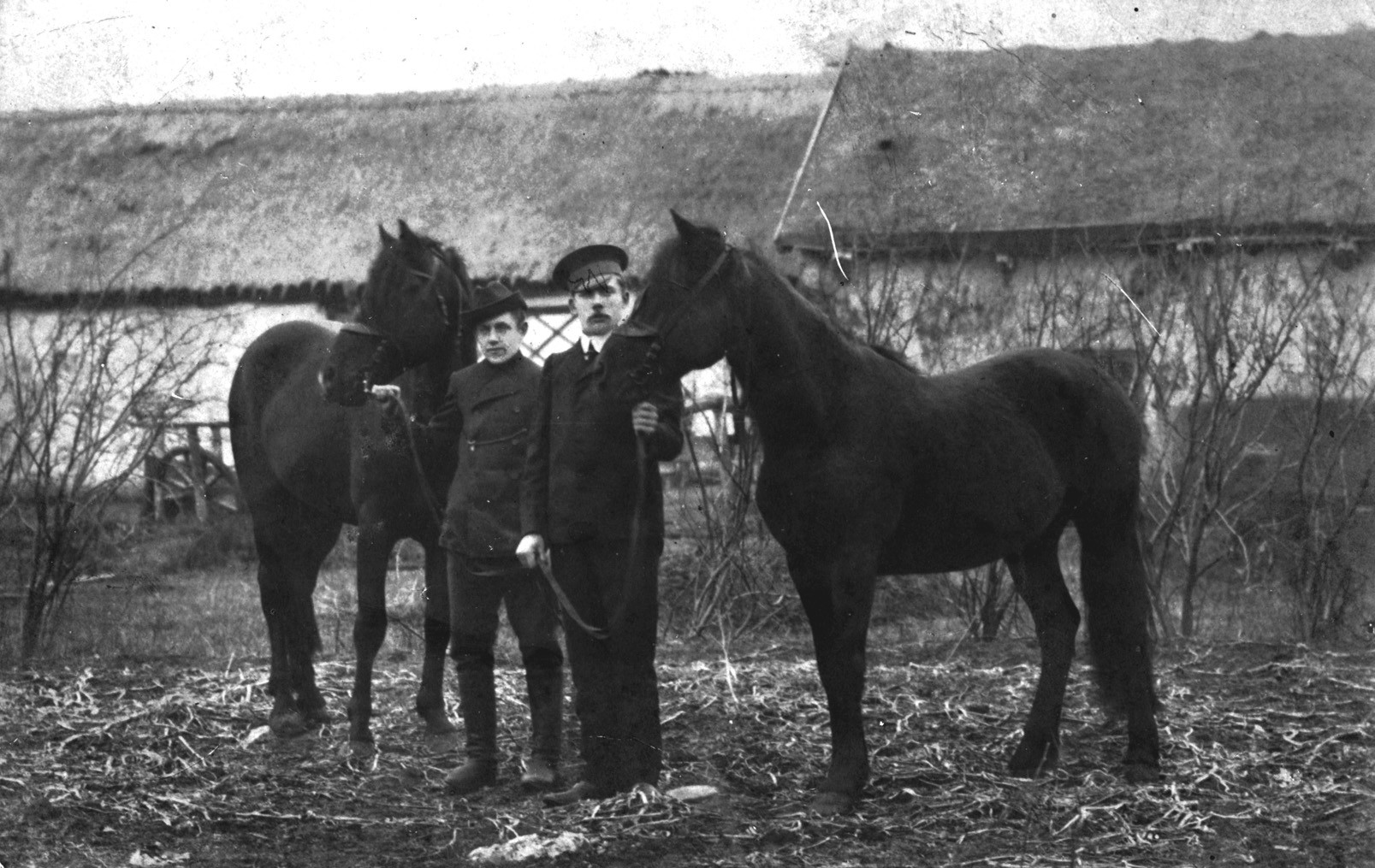
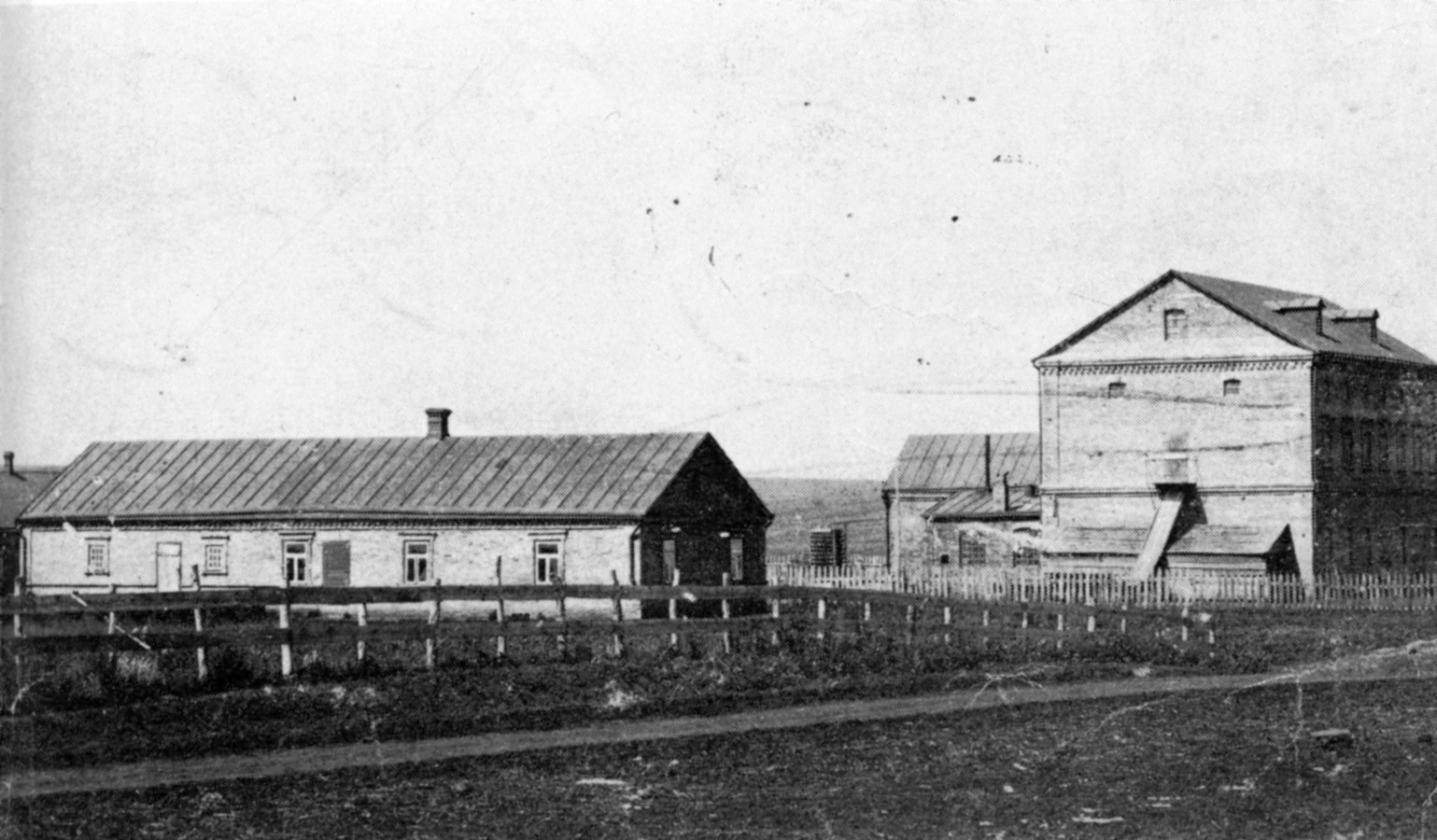
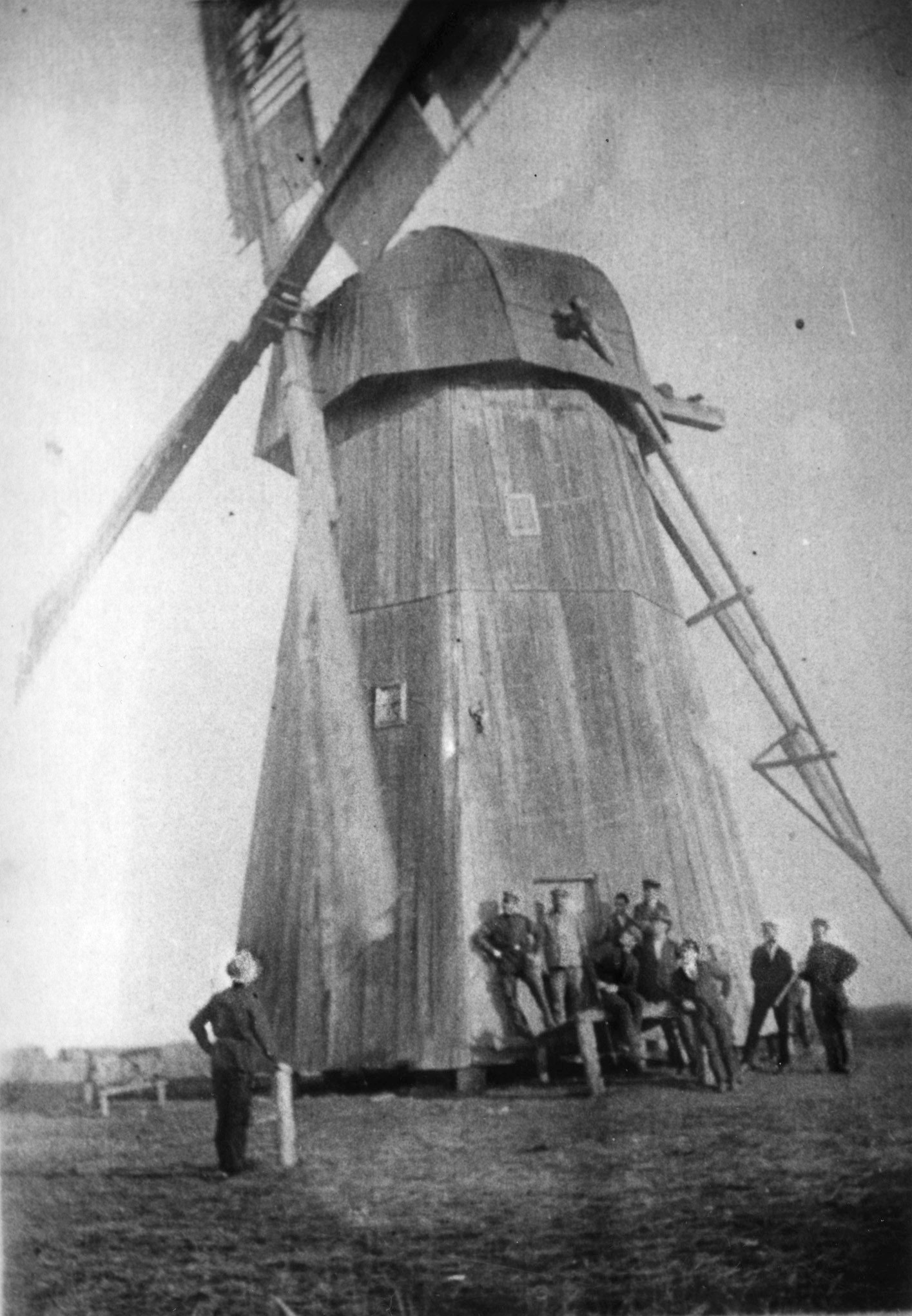
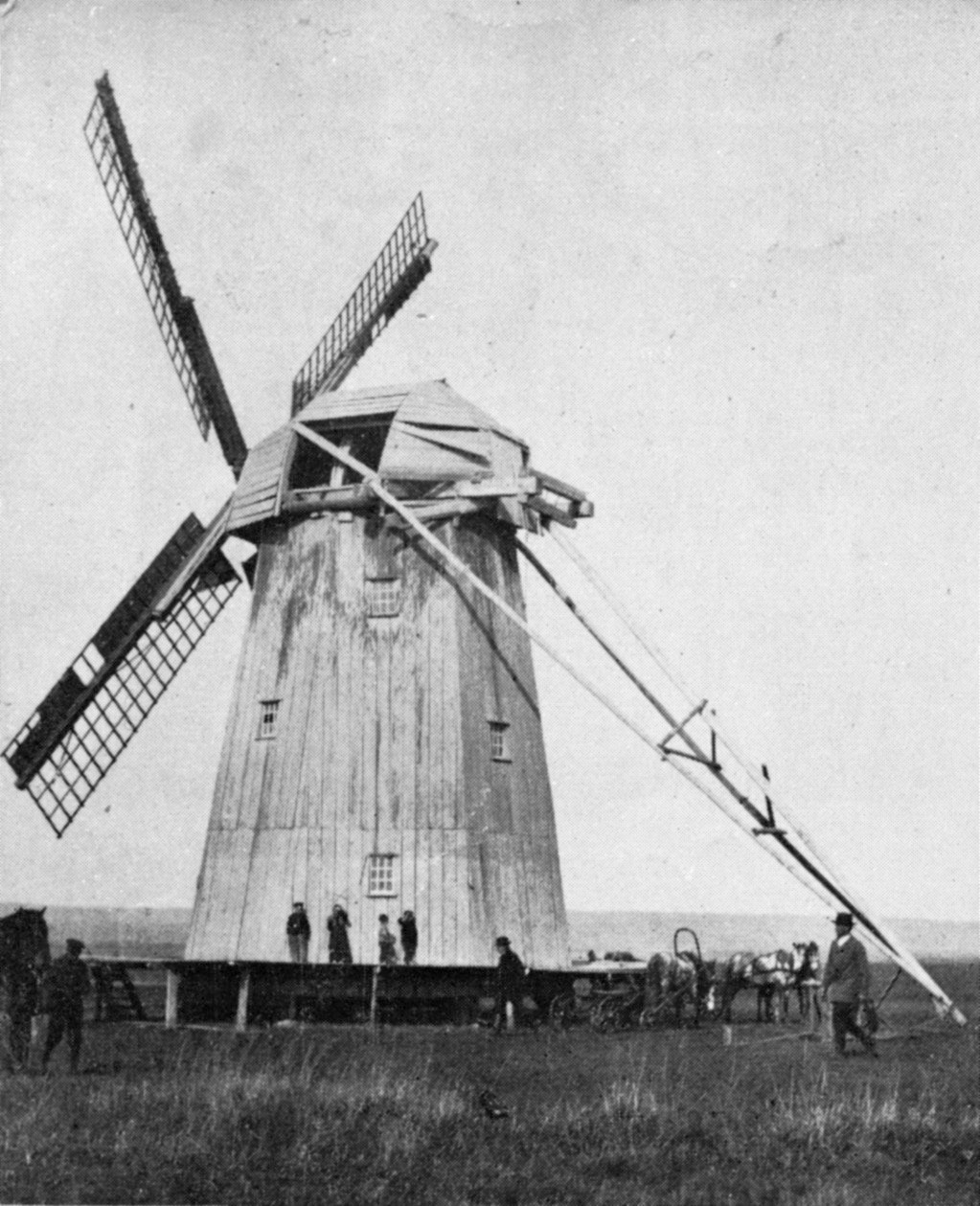
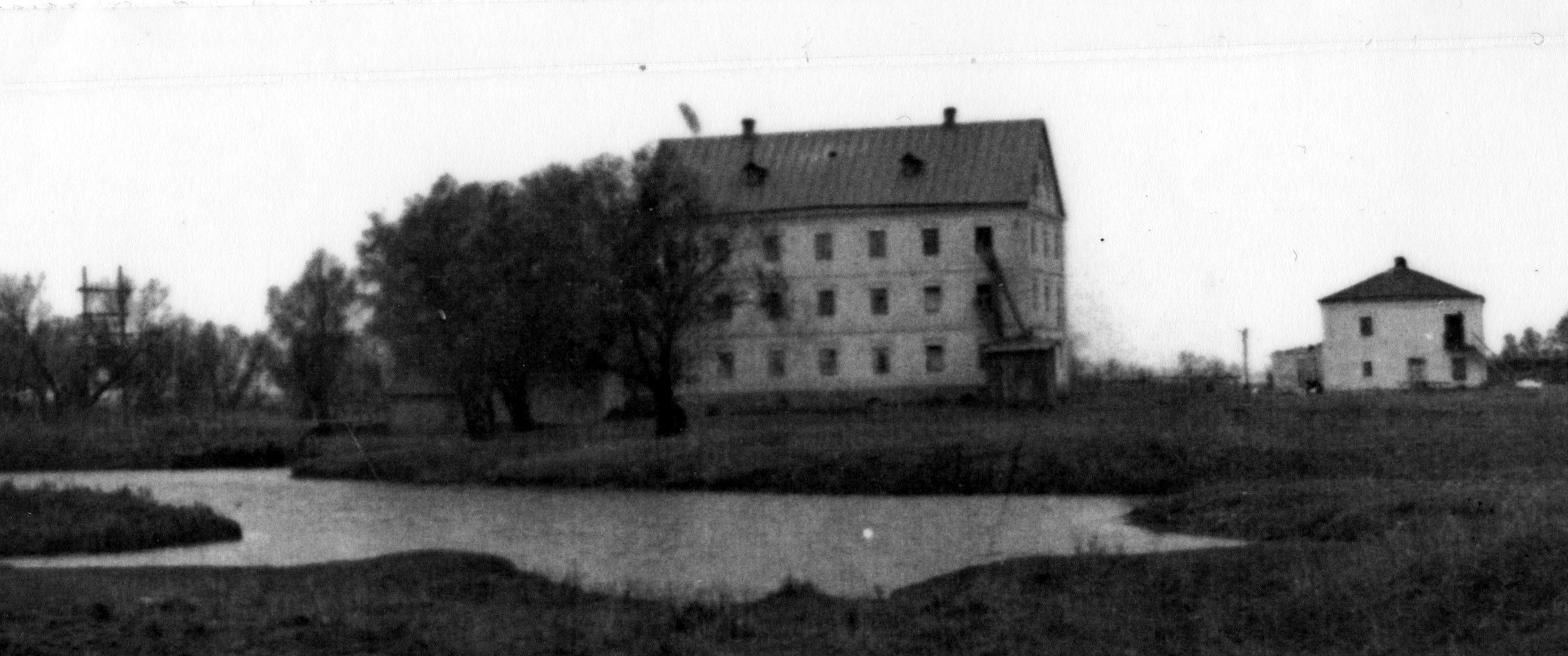
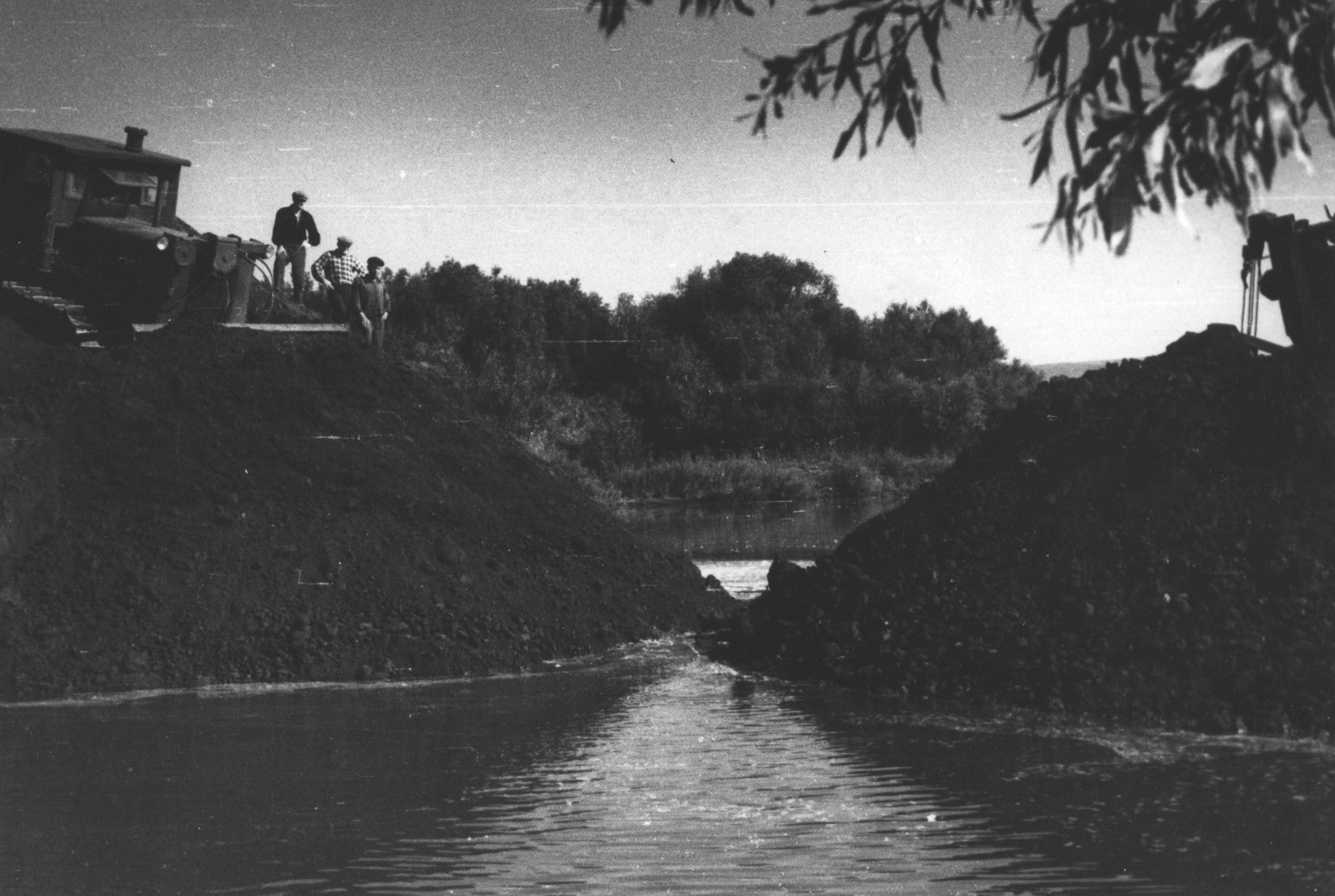
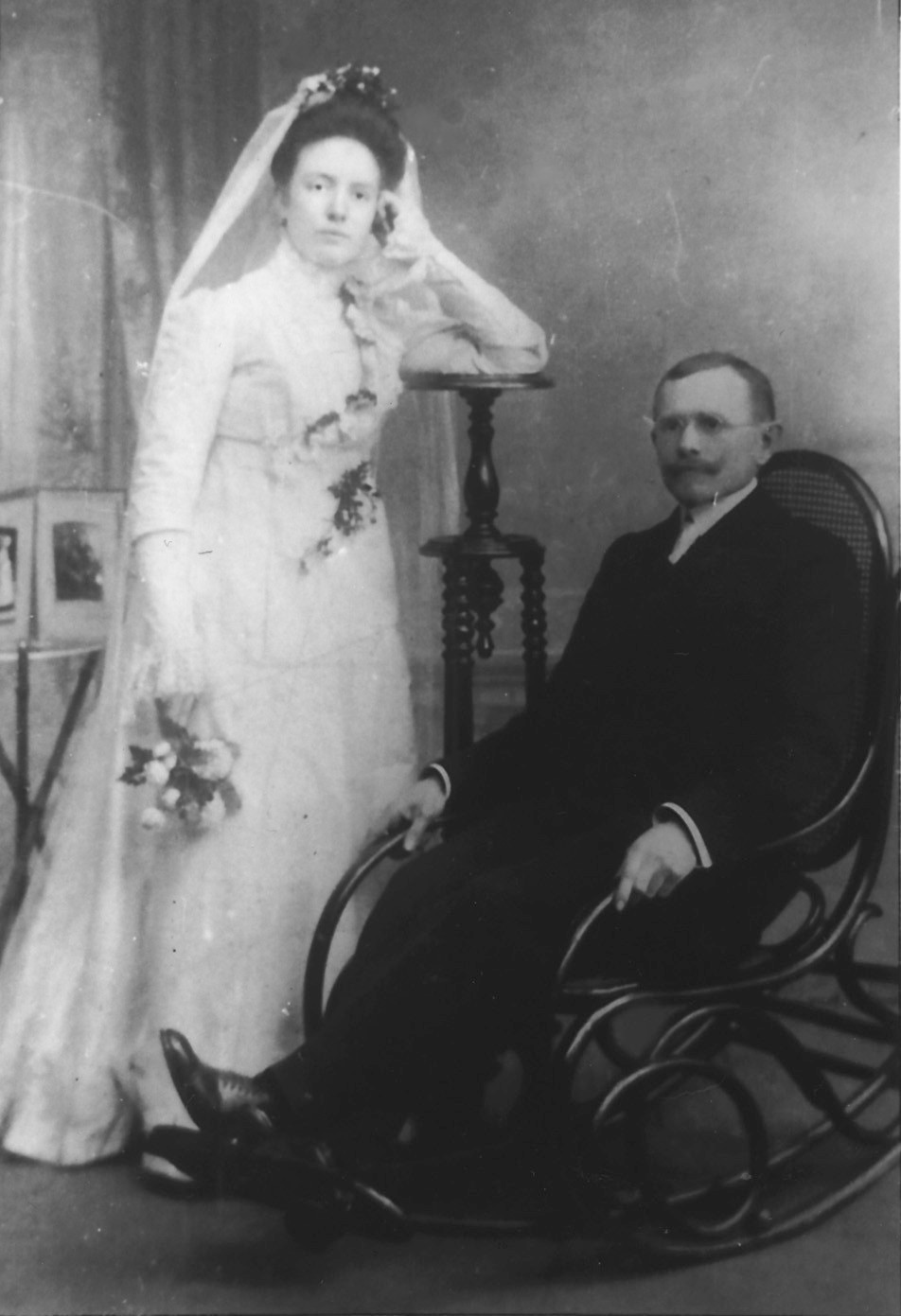
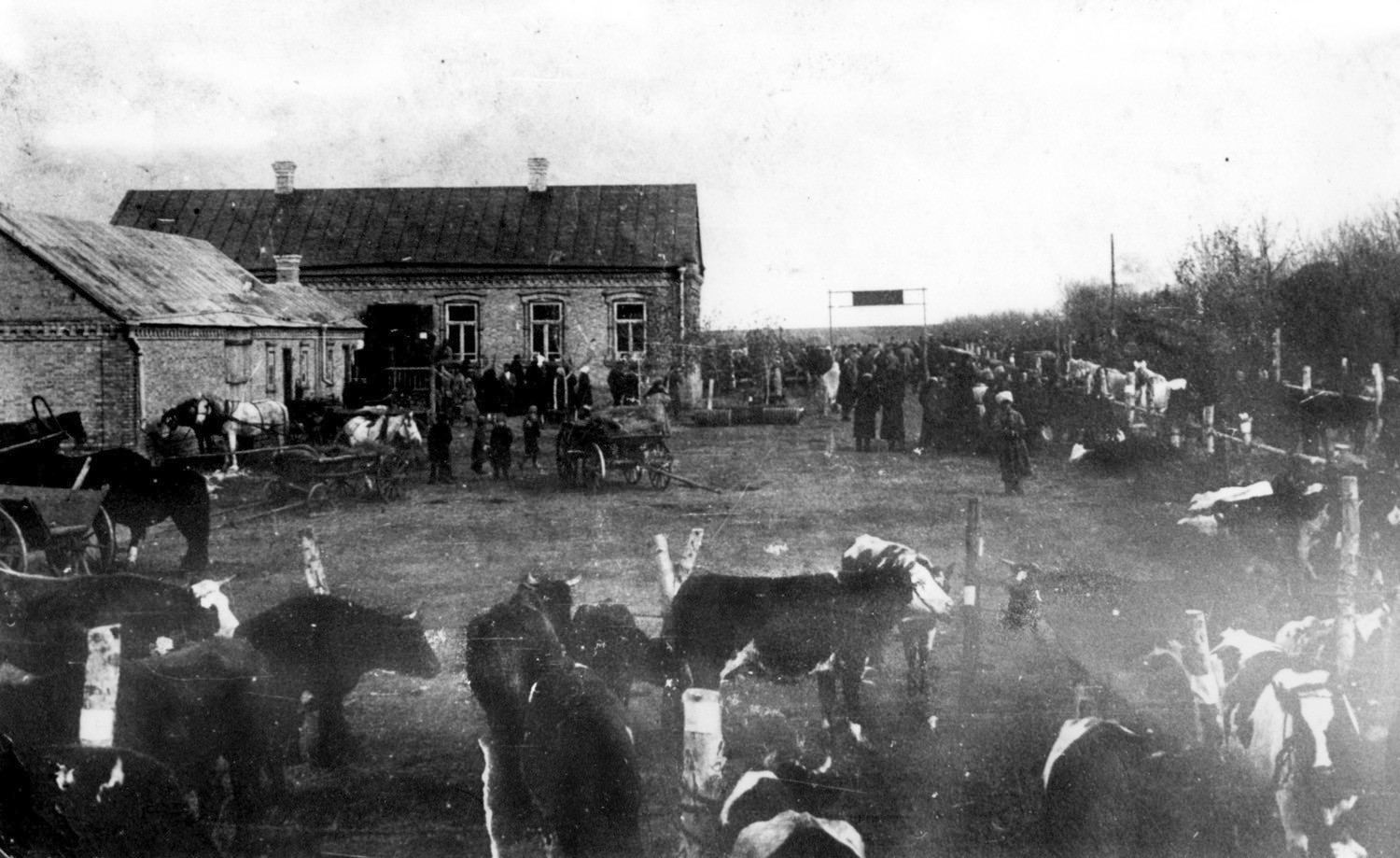
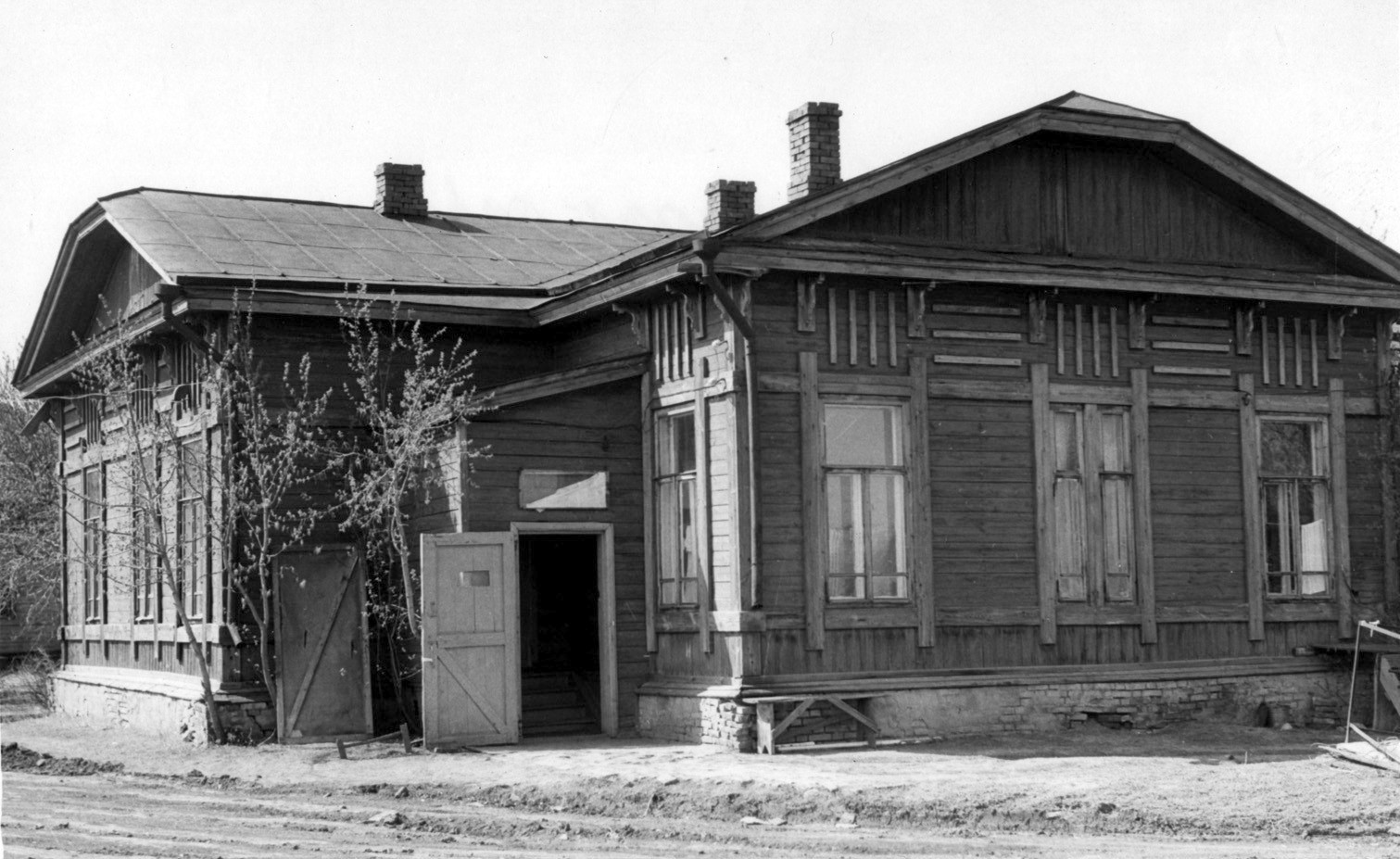
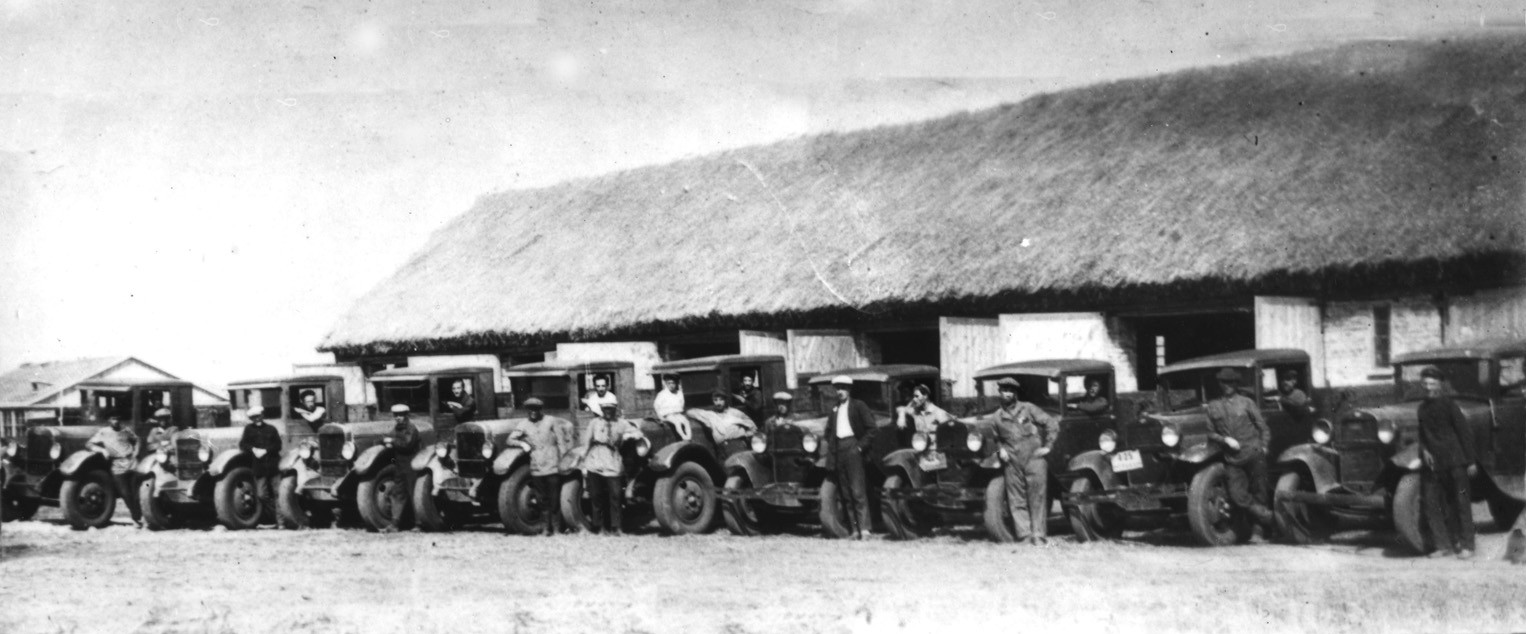
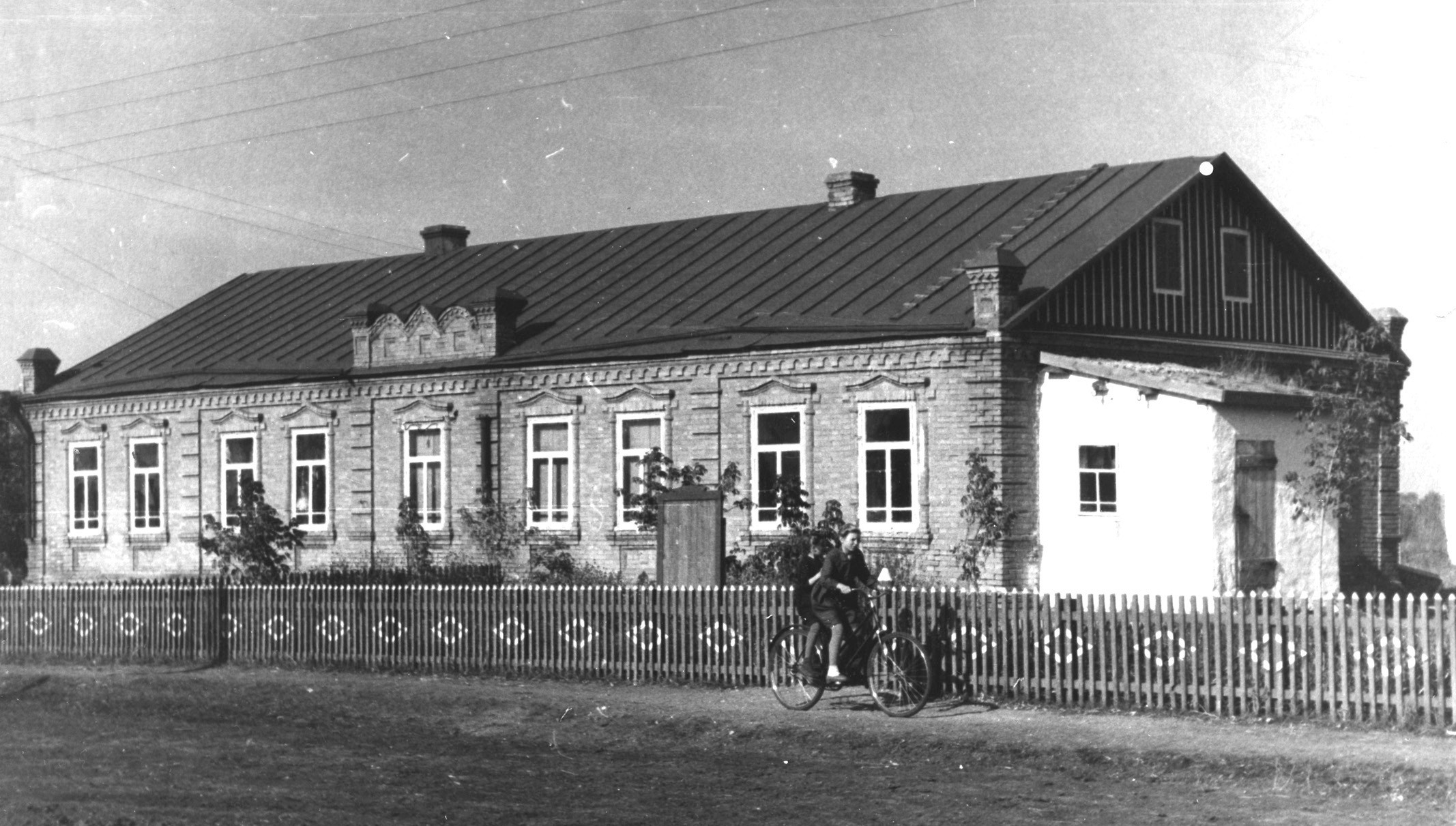
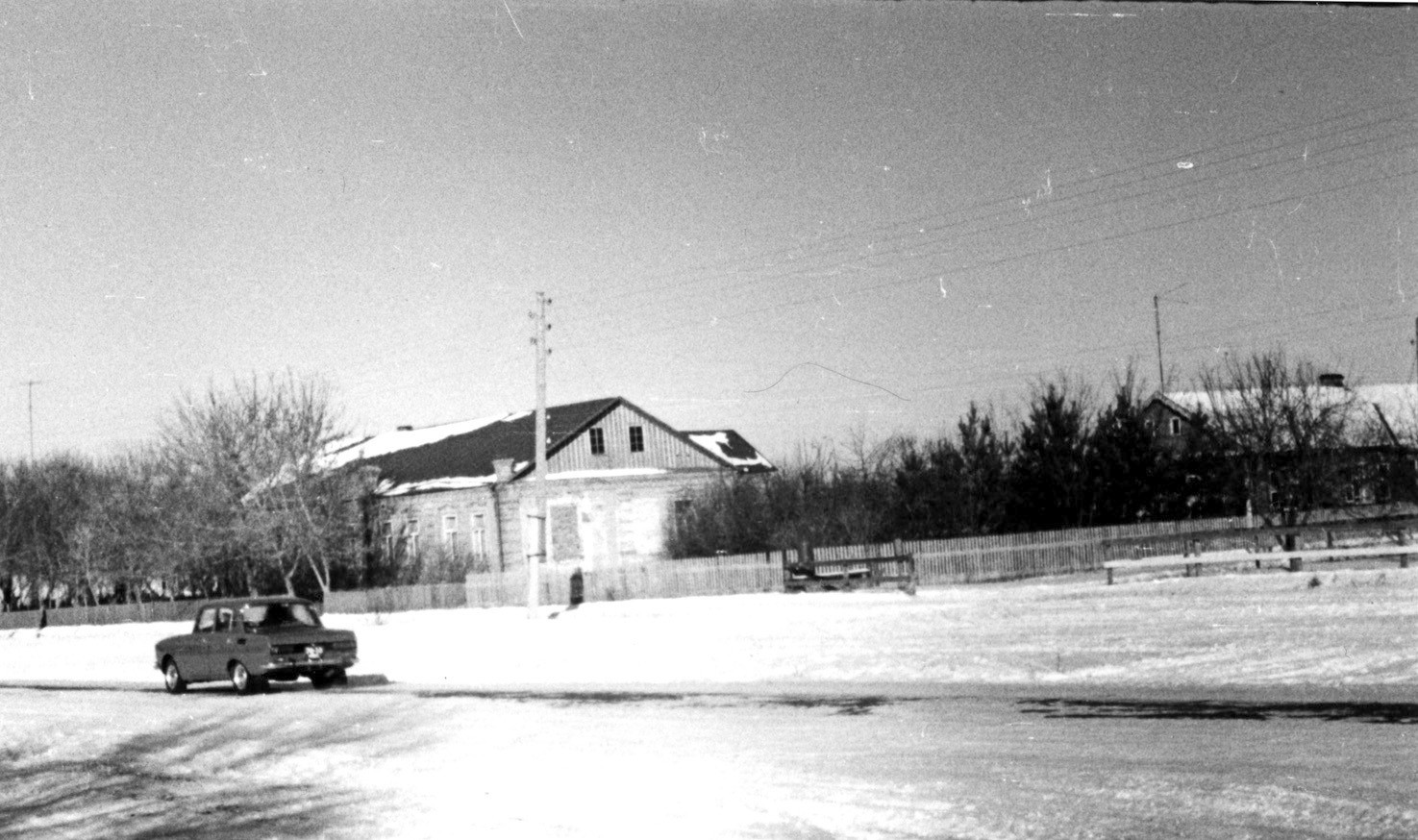
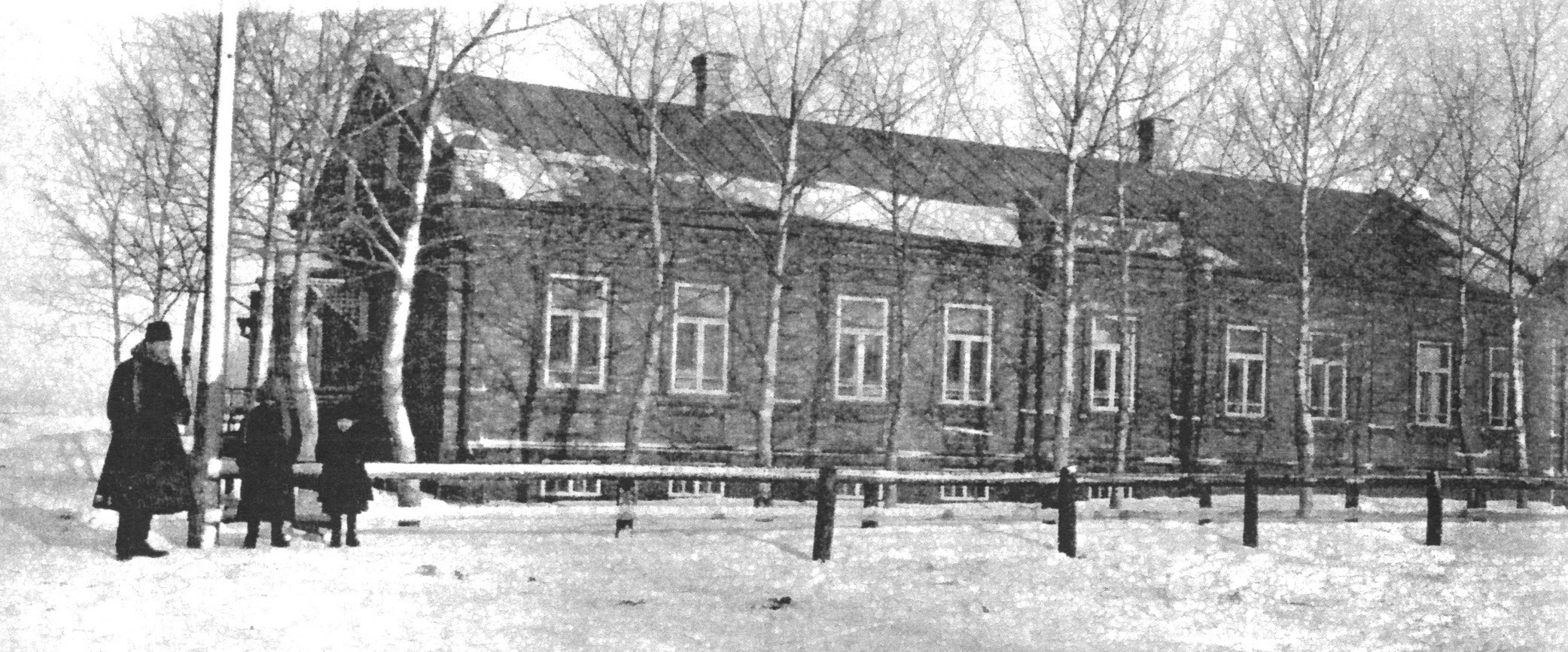
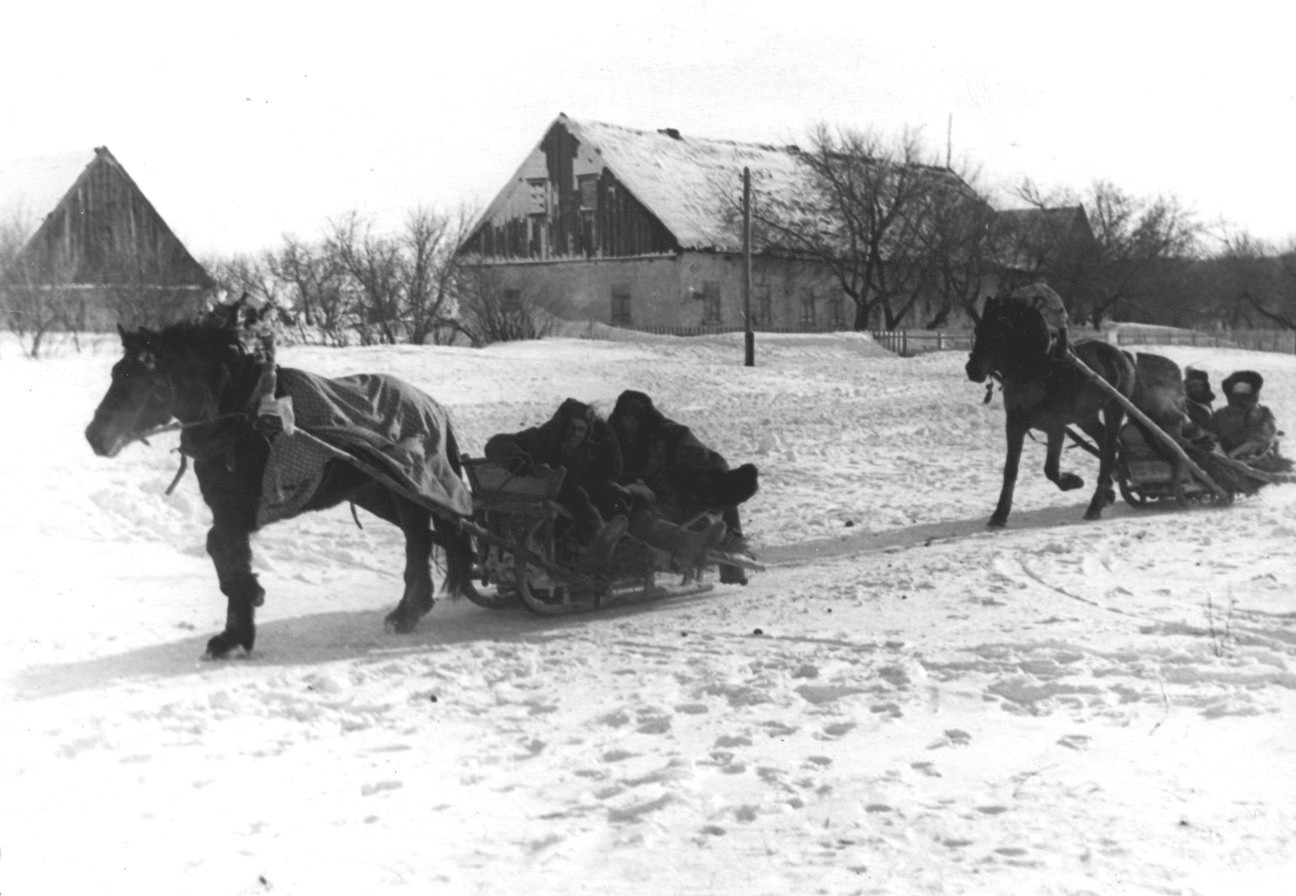
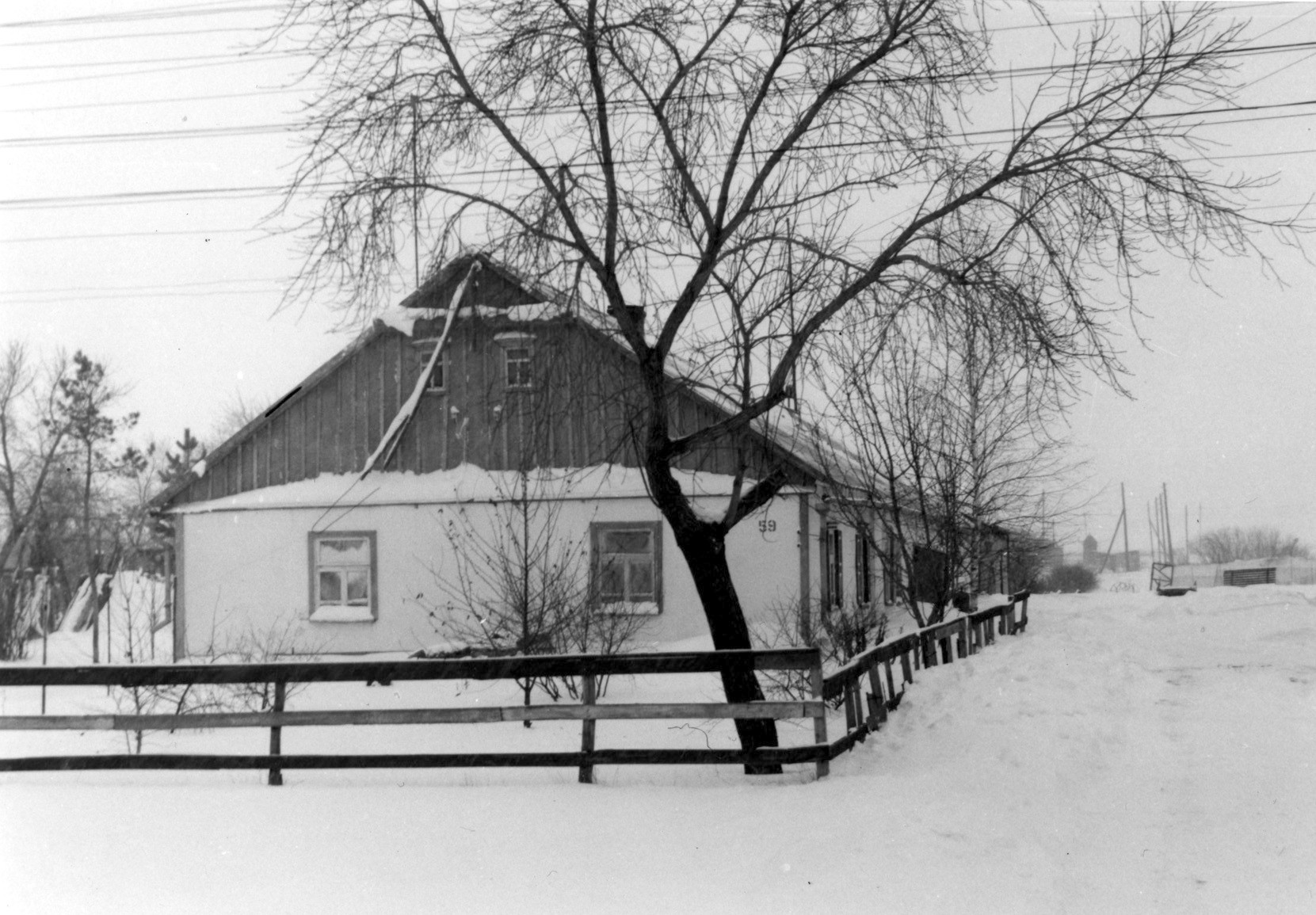
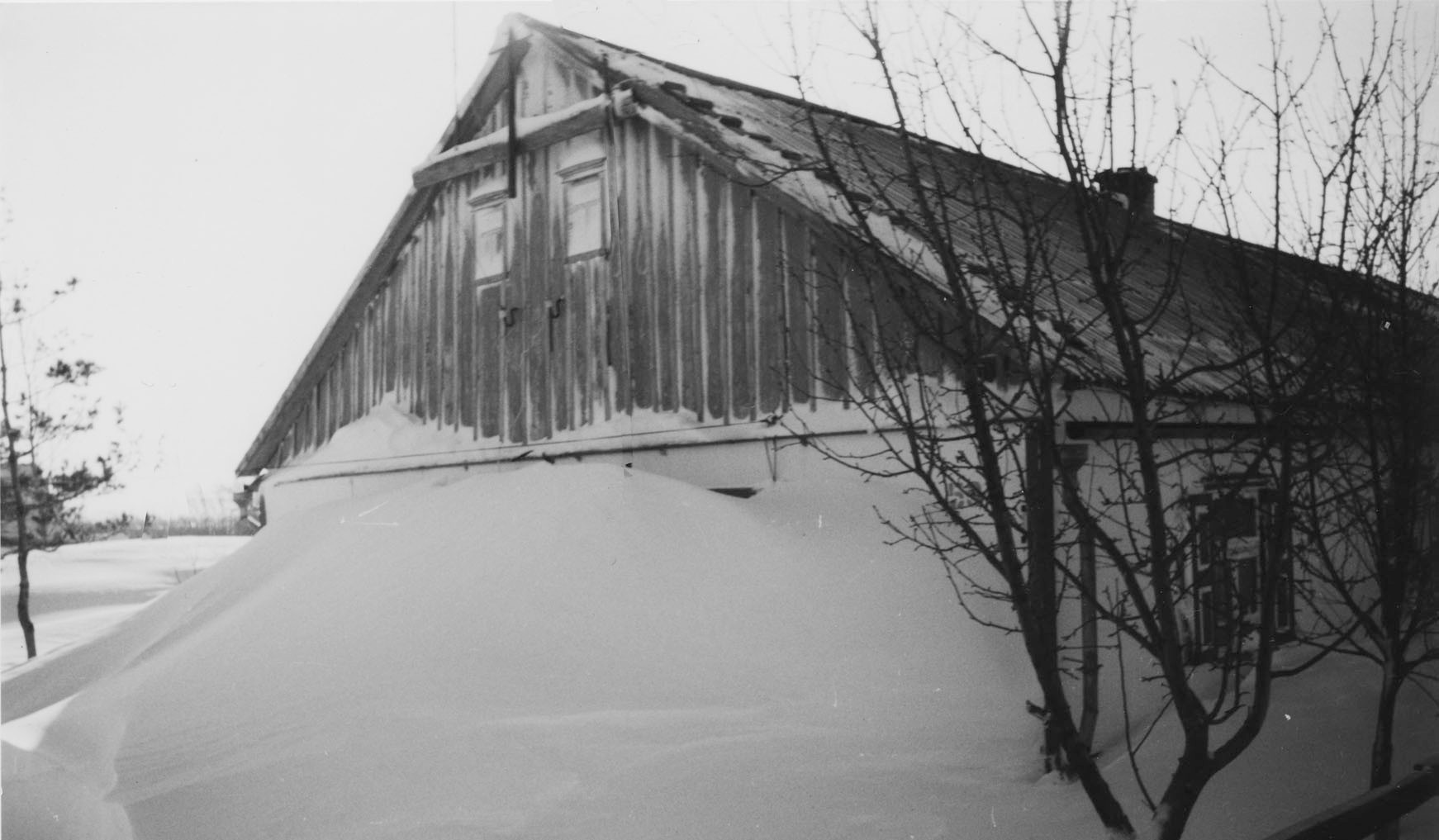
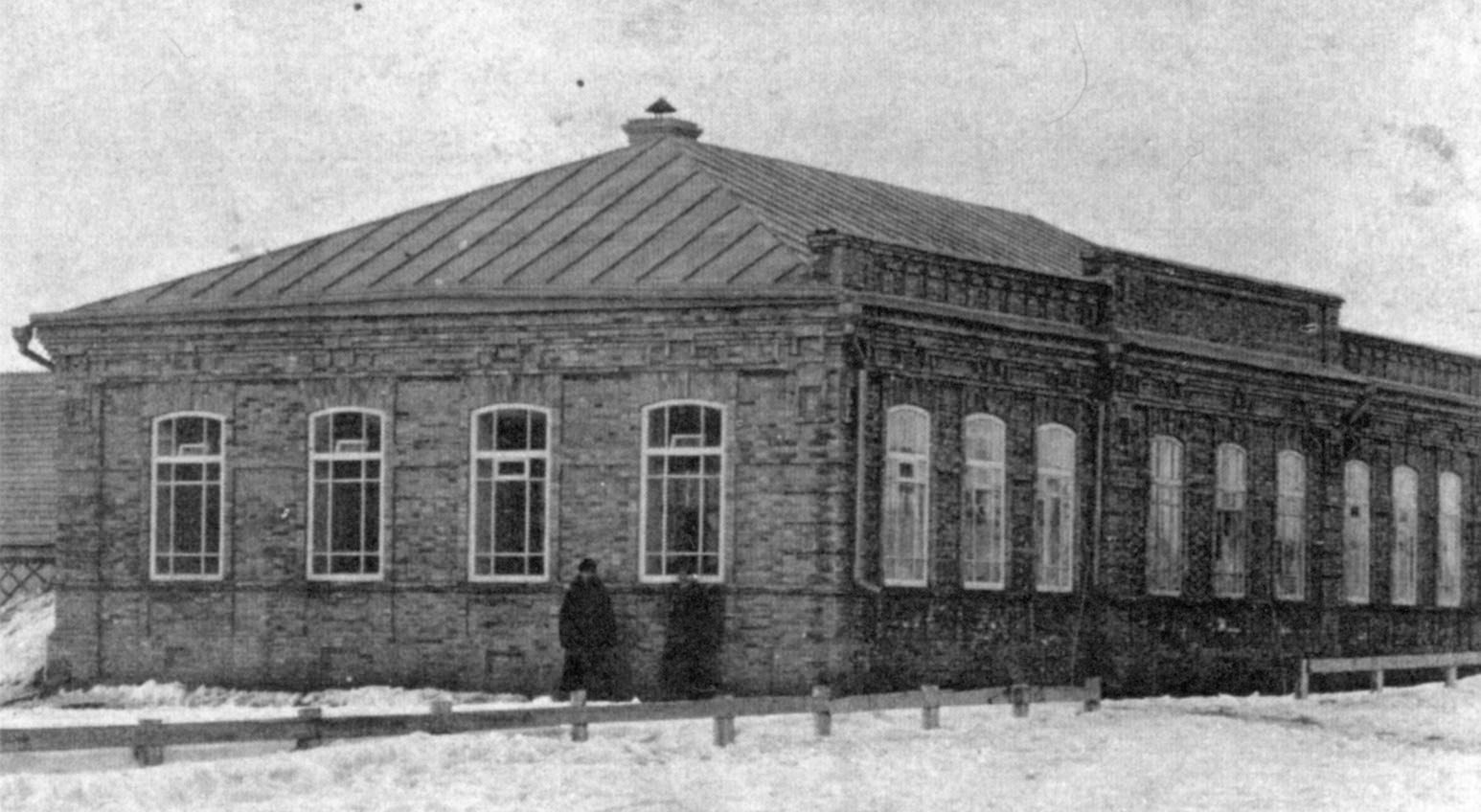
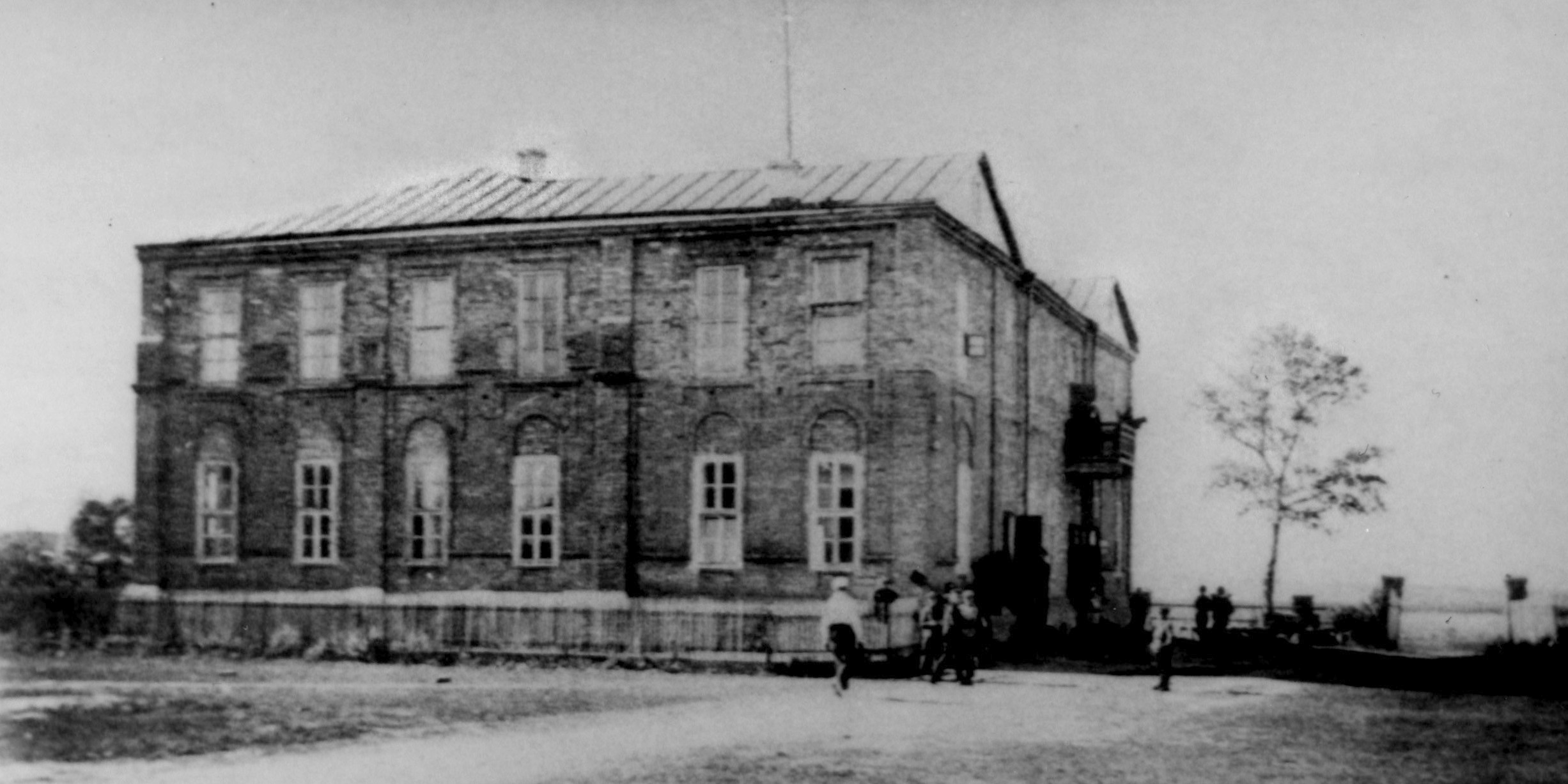
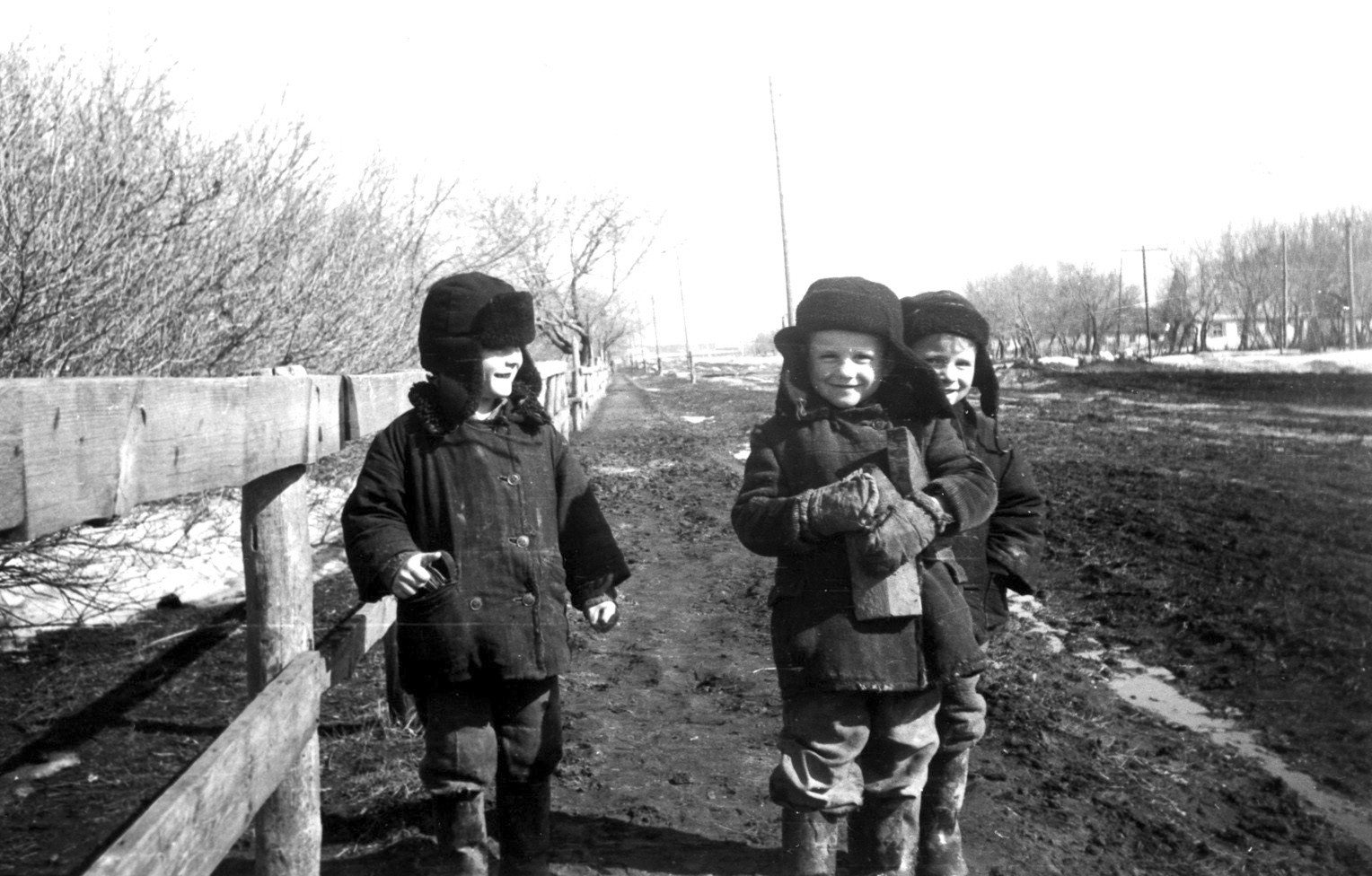
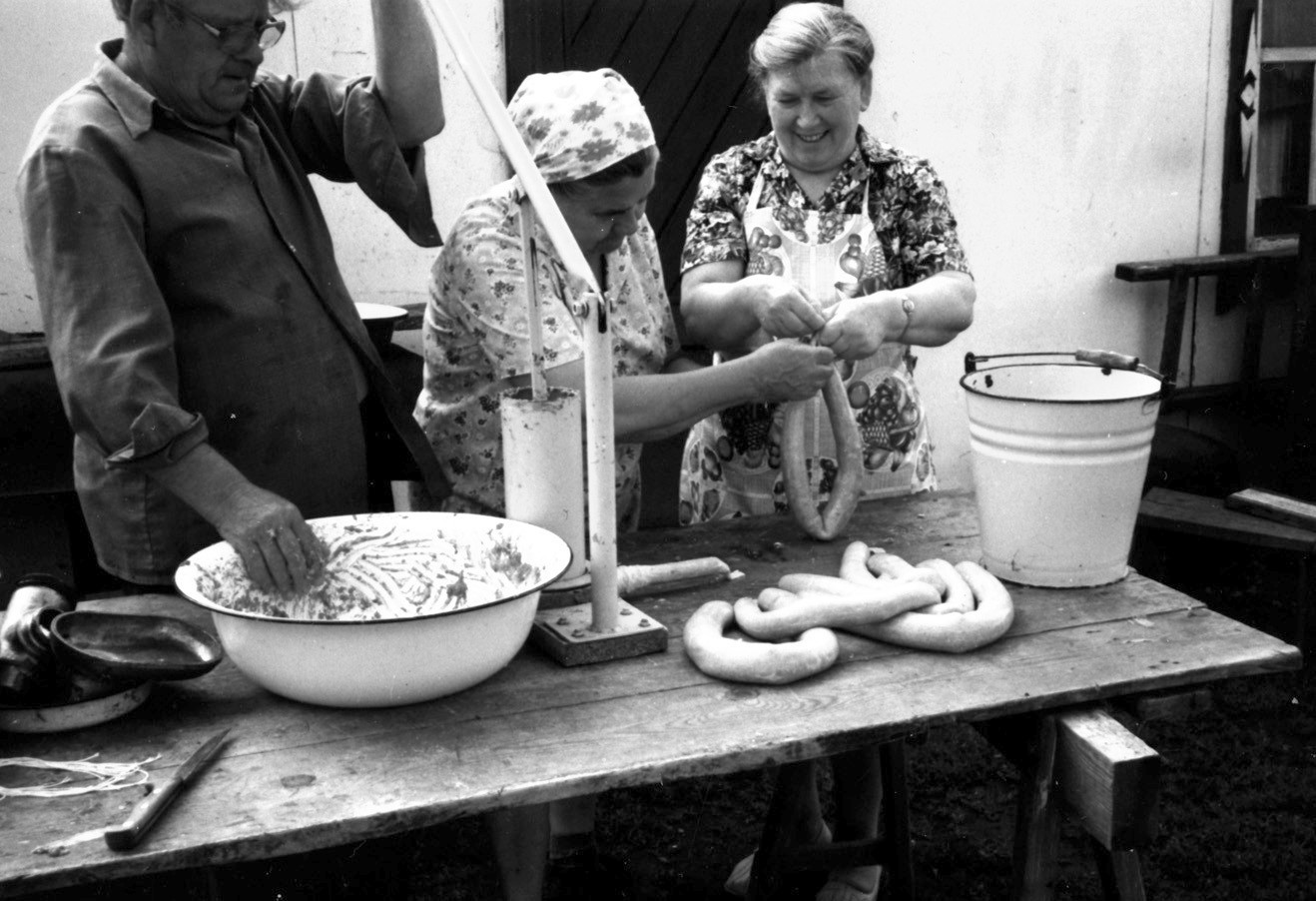
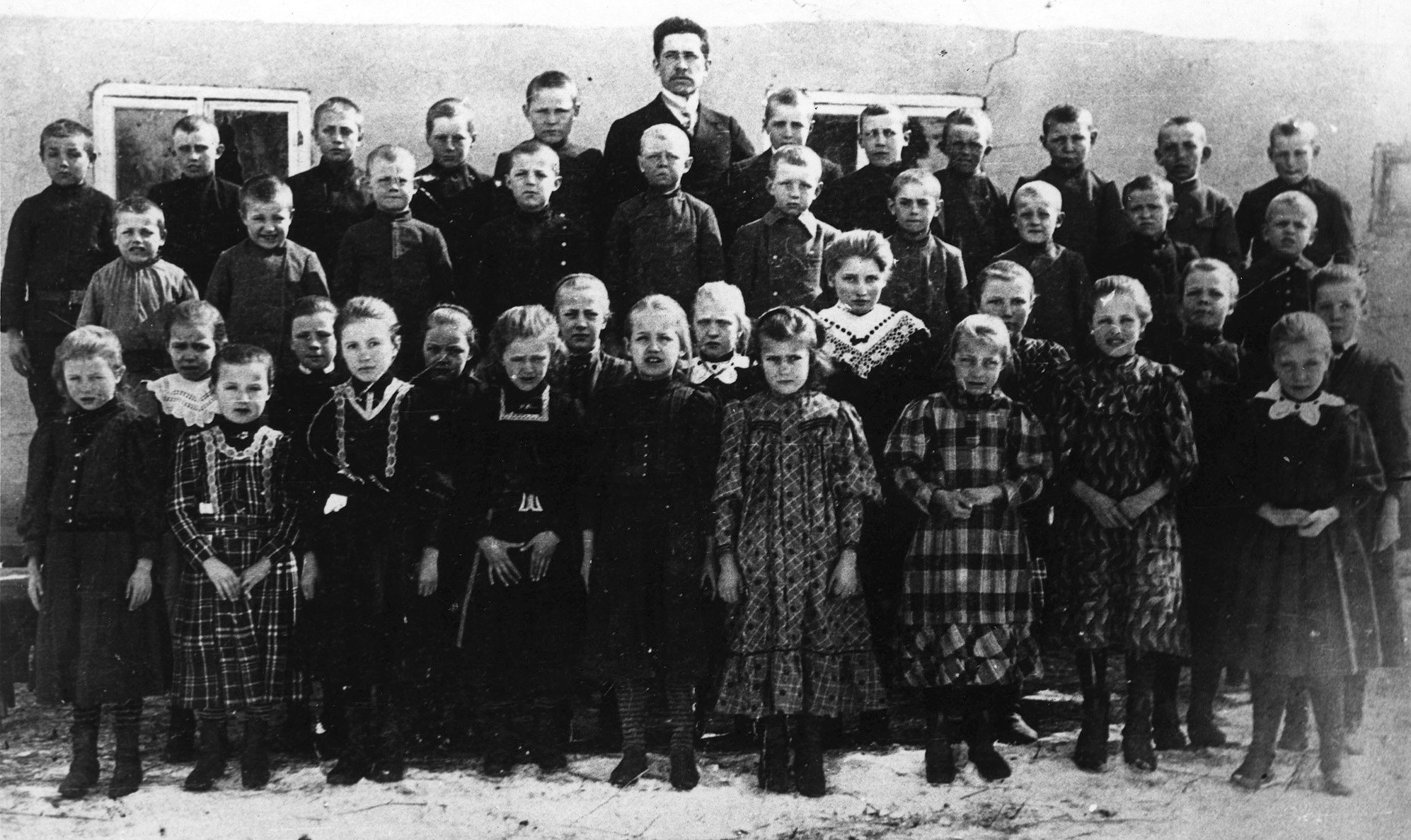
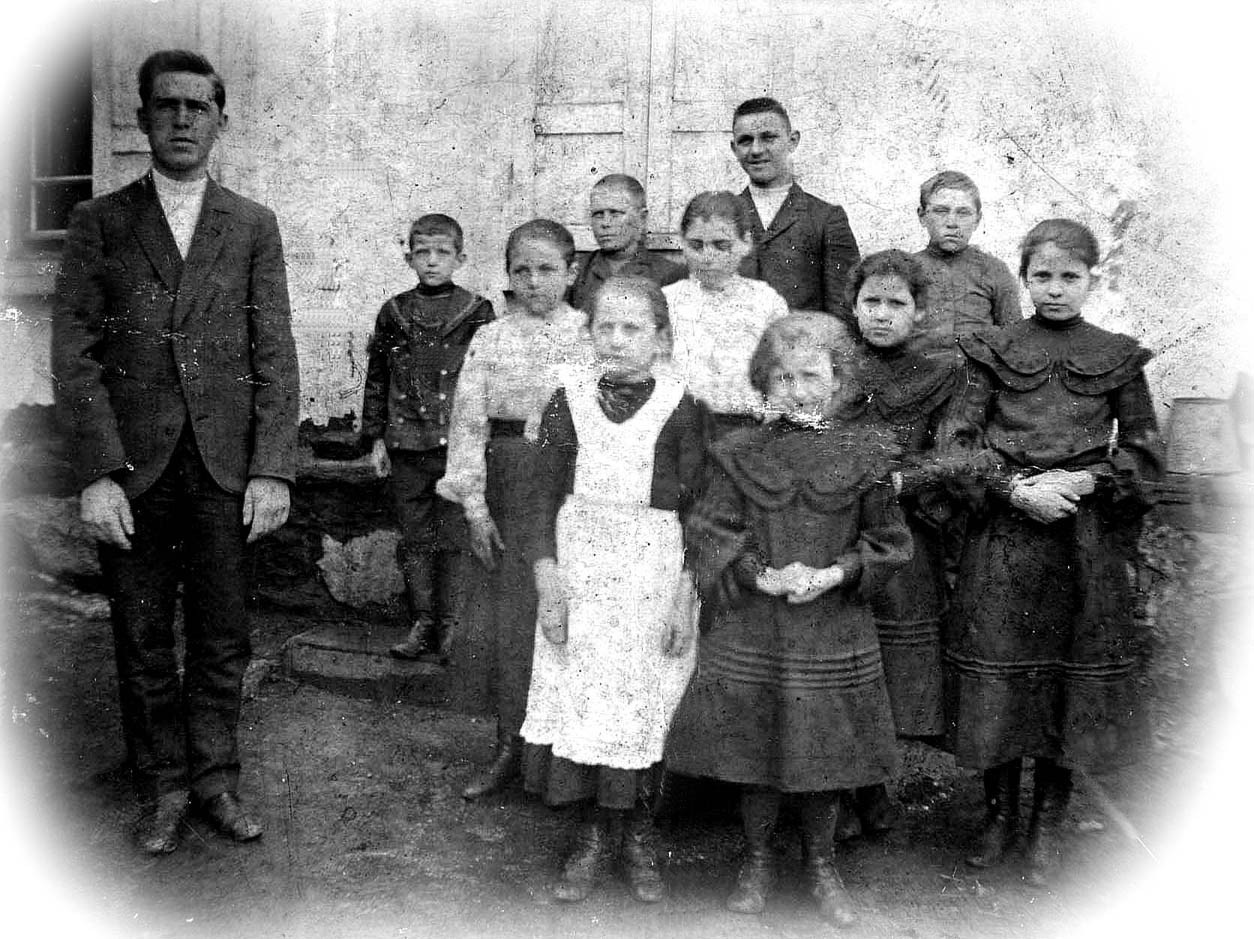
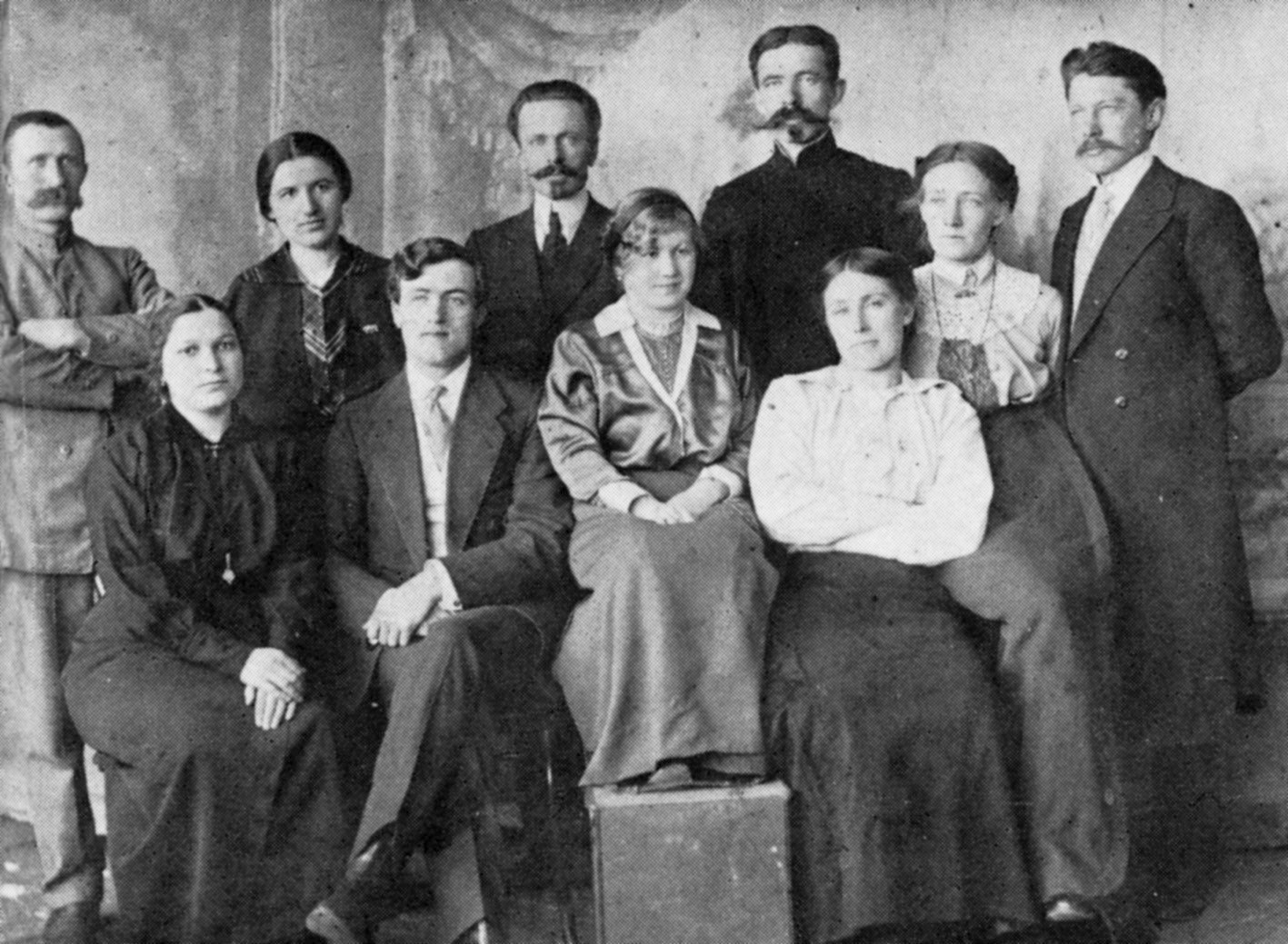
One of hundreds of commemorative signs in "Sauraljnaja Roschtscha" on the left bank of the Ural in Orenburg, where mass graves from Stalin's time are believed to be located. The sign bears two German names: Johann Fast and Johann Dickmann.OrenburgA Bashkirian family from one of the neighboring Bashkirian villages.Nizhne-IljasowoA Bashkirian house.Werchne-IljasowoYard- dwelling house, stable and barn(Querscheune)- of Kornelius Unger. Built in 1891-1896.PleschanowoHouse of family Abraham FunkBogomasowo · 1905Dwelling house of family Bernhard Peters. Built in 1912BogomasowoJakob Epp and Jakob Dück with young horses. Practising the young horses ride or in the bottom plate was for the boys in the spring always an amusing however also sensibly employment. 1920s.KaltanMill of Tobias Voth. After the collectivization this mill became property of the state and later it was altered in a dairy.LugowskWind millKrassikowWind mill of Hermann Klassen.JugowkaWater mill on the Tock near Pleschanow was pursued by two turbines. Built by Johann Wall, who sold it to Mr. Tessmann and later to Jakob Hübert. The mill was expropriated from Jakob Hübert in 1929.PleschanowoEach spring, the Tock was dammed to channel water to the turbines. Originally, this work was done with horses, shovels and human strength. All villages had to provide a certain number of workdays and days of horse labor.PleschanowoJakob Hübert, the last owner of the water mill on the Tock, as a groom with his bride from the second marriage.PleschanowoExpropriation of the livestock in progress during the collectivization.Pleschanowo · 1929Hospital, built in 1911. Now office of local administration.PleschanowoTo the east of Donskoj a big car workshop was built of Pleschanowo barns and was fitted out with 1.5 and 3 tons trucks which drove the grain to Sorotschinsk and brought on the way back fuels and other.DonskojThe first worship house of the settlement belonged to the Pleschanow Mennonite congregation. Built approx. 1898. Since closing in 1931 it was used as a warehouse, school, clubhouse.PleschanowoThe former store of Johann Dyck. After the revolution, the house was sold to Wilhelm Riesen, who was persecuted as a "kulak" in the 1930s and deported to the north. The building was first used as a clubhouse and, from 1 September 1972, as a village school. It was known in the settlement as the "Riesen's house".DolinskThe store of Johann Dyck (at the beginning of 20th century).Horse-drawn sledgesIschalkaHouse of Johann Funk, built in 1893 by Jakob Nickel.Bogomasowo · 1995House of Johann Funk, built in 1893 by Jakob Nickel.Worship houseLugowskThe old worship house. After closing in 1932 it got an additional floor and became a central school.LugowskJakob Wiens, Johann Langemann and Johann Wiens. On the footpath in Bogomasowo in spring, 1966.Bogomasowo · 1966Pig slaughter at Johann Janzen. Here the tasty liverwurst is mended. To the dinner they come already ready on the table. In the picture from the left Johann Janzen with his wife Raissa and sister-in-law Elisabeth Janzen.DonskojPupils of Jugowka with teacher Abram JanzenJugowka · 1925Pupils of Krassikowo with teacher NickelKrassikowTeacher Heinrich Nickel (Dolinsk) with his pupils in Sorotschinsk in 1907.Sorotschinsk · 1907Teachers of Neu Samara from left to the right: in front:?, C.F. Classes?, Mrs. Martens, Mrs. Janzen, behind C. Matthies?, J. Frisians, J. Janzen, P. Martens.1915